
Guide to Mountain Gorilla Trekking in Rwanda
September 29, 2026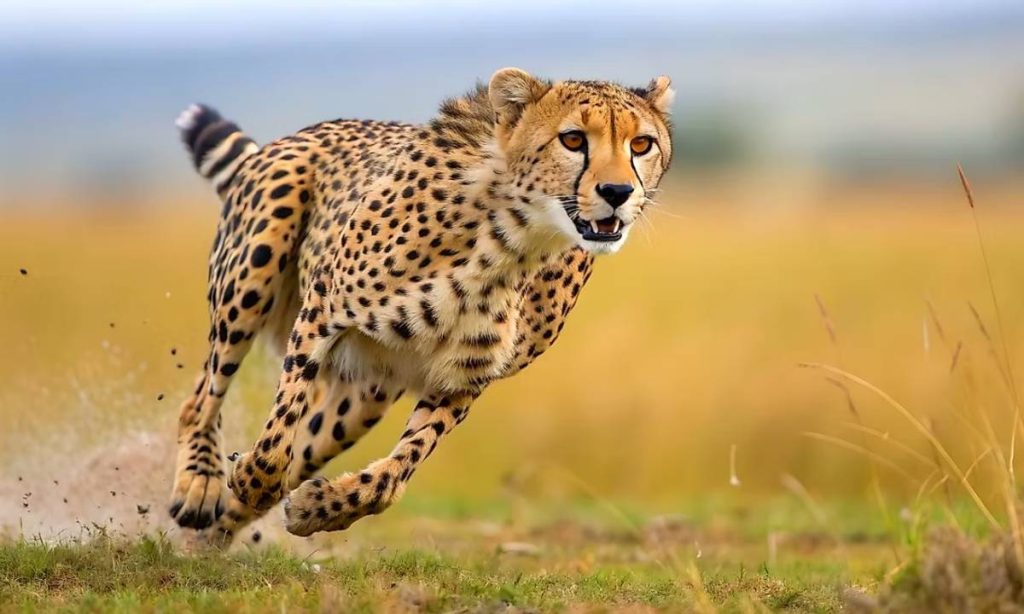
The Great Migration Experience is one of the world’s most extraordinary wildlife spectacles, attracting travelers to the vast plains of Kenya and Tanzania every year. Millions of wildebeest, accompanied by large numbers of zebra and other grazing animals, move through the Serengeti and Maasai Mara ecosystems in search of fresh grazing and water. For travelers planning a Kenya and Tanzania safari in 2027, following the migration offers an opportunity to experience dramatic landscapes, abundant wildlife, predator encounters, river crossings, and authentic African safari adventures.
Planning a successful Great Migration Experience requires more than simply choosing a travel date. The migration is a continuous natural movement influenced by rainfall, grazing conditions, and water availability, meaning the location of the herds changes throughout the year. A well-designed Great Migration safari 2027 can combine Tanzania’s Serengeti National Park and Ngorongoro Conservation Area with Kenya’s Maasai Mara National Reserve, creating a comprehensive East Africa safari focused on wildlife, scenery, culture, and unforgettable game-viewing experiences.
What Is the Great Migration Experience?
The Great Migration Experience refers to the annual movement of huge herds of wildebeest, zebra, and other herbivores across the Serengeti-Mara ecosystem. The animals continuously move between grazing areas as environmental conditions change. This natural cycle creates some of the most spectacular wildlife encounters in Africa.
A Great Migration safari can include extraordinary opportunities to observe herds crossing open plains, predators following the migrating animals, newborn calves during the calving period, and dramatic river crossings when conditions are suitable. However, wildlife behavior is unpredictable, and specific sightings cannot be guaranteed. The adventure lies in experiencing the natural ecosystem and observing events as they unfold.
Great Migration Safari in Tanzania
Tanzania is at the heart of the Great Migration, with the Serengeti National Park forming a major part of the migration route. Travelers planning a Tanzania Great Migration safari 2027 can explore different areas of the Serengeti depending on the expected location of the herds.
The Serengeti offers vast grasslands, woodland areas, rocky kopjes, and seasonal water sources that support an impressive range of wildlife. Beyond wildebeest and zebra, travelers can encounter lions, cheetahs, leopards, elephants, giraffes, buffalo, hyenas, hippos, and numerous bird species. Combining migration viewing with classic Tanzania wildlife safari experiences allows visitors to explore a much broader ecosystem than the migration alone.
Great Migration in Serengeti National Park
Serengeti National Park is one of Africa’s most famous safari destinations and an essential stop for anyone seeking the Great Migration Experience. The park covers an enormous ecosystem with different habitats that support wildlife throughout the year.
During a Serengeti safari 2027, travelers can explore the central Serengeti, western areas, northern Serengeti, and other regions depending on the season and safari itinerary. Each area offers different scenery and wildlife opportunities. A knowledgeable safari operator can help structure an itinerary around the anticipated migration pattern while also including resident wildlife and other attractions.
Calving Season and the Great Migration
One of the most remarkable periods of the Great Migration Experience is the calving season. During this period, large numbers of wildebeest calves are born, creating an extraordinary concentration of herbivores and attracting predators.
A Tanzania calving season safari can provide opportunities to observe wildebeest families, newborn animals, lions, cheetahs, hyenas, and other predators. The timing of calving is influenced by environmental conditions, so travelers should avoid treating any particular date as a guarantee. Instead, planning should focus on the broader seasonal pattern and current wildlife conditions.
River Crossings – A Dramatic Safari Experience
The famous Great Migration river crossings are among the most recognizable scenes associated with the migration. As herds move northward, some animals cross rivers in the Serengeti and Maasai Mara ecosystem. These events can involve large groups of wildebeest entering the water while crocodiles wait nearby.
A Mara River crossing safari or Grumeti River migration safari can be an extraordinary wildlife experience, but river crossings are completely natural events and cannot be scheduled precisely. Animals may gather for hours or days before crossing, change direction, or decide not to cross at all. Travelers should therefore approach river-crossing safaris with realistic expectations.
Great Migration in Kenya
Kenya’s Maasai Mara National Reserve is a major destination for travelers following the northern portion of the migration. The Mara ecosystem provides rich grasslands and wildlife habitat, making it an important part of the annual migration cycle.
A Kenya Great Migration safari 2027 can combine migration viewing with classic Maasai Mara wildlife experiences. Visitors may encounter lions, leopards, cheetahs, elephants, buffalo, giraffes, zebras, wildebeest, hyenas, and many other species. The reserve’s open landscapes also provide excellent opportunities for wildlife photography.
Maasai Mara National Reserve Safari
The Maasai Mara National Reserve is one of the most famous wildlife destinations in Africa. Its open savannahs and abundant wildlife make it an important destination for a Kenya safari 2027.
Travelers can explore the Mara through guided game drives and, where available and appropriate, other safari experiences. A well-planned Maasai Mara safari can include migration viewing, predator sightings, photography, cultural experiences, and time spent exploring the wider Mara ecosystem.
Best Time for the Great Migration Experience in 2027
There is no single “best” month for the Great Migration Experience because the migration is a year-round ecological cycle. Different periods provide different experiences, from calving and predator activity to movement across the Serengeti and potential river crossings in the northern parts of the ecosystem.
Travelers planning a Great Migration safari 2027 should select their travel dates according to the experience they want to prioritize. Those interested in calving may focus on the southern Serengeti during the relevant seasonal period, while travelers interested in potential northern migration activity may consider the Serengeti-Mara region later in the year. Because rainfall and ecological conditions vary, professional safari planning remains important.
Kenya and Tanzania Safari Combination
Combining Kenya and Tanzania provides an opportunity to experience two of East Africa’s most celebrated safari destinations on one journey. A Kenya Tanzania safari 2027 can include the Maasai Mara, Serengeti, Ngorongoro Crater, and other wildlife areas depending on the duration of the trip.
This cross-border safari approach can provide travelers with a broader perspective of the Serengeti-Mara ecosystem. Instead of focusing exclusively on one national park, travelers can explore different landscapes and wildlife habitats while following the seasonal movement of the animals.
Ngorongoro Crater Safari
Adding the Ngorongoro Crater to a Kenya and Tanzania itinerary provides an opportunity to experience one of Tanzania’s most distinctive wildlife landscapes. The crater’s enclosed environment supports a diverse range of wildlife and offers excellent game-viewing opportunities.
A Ngorongoro safari can be combined with the Serengeti migration experience, creating a more comprehensive Tanzania itinerary. Visitors may encounter lions, elephants, buffalo, rhinos, hippos, zebras, wildebeest, flamingos, and other species depending on the season and location.
Wildlife You Can See During the Great Migration
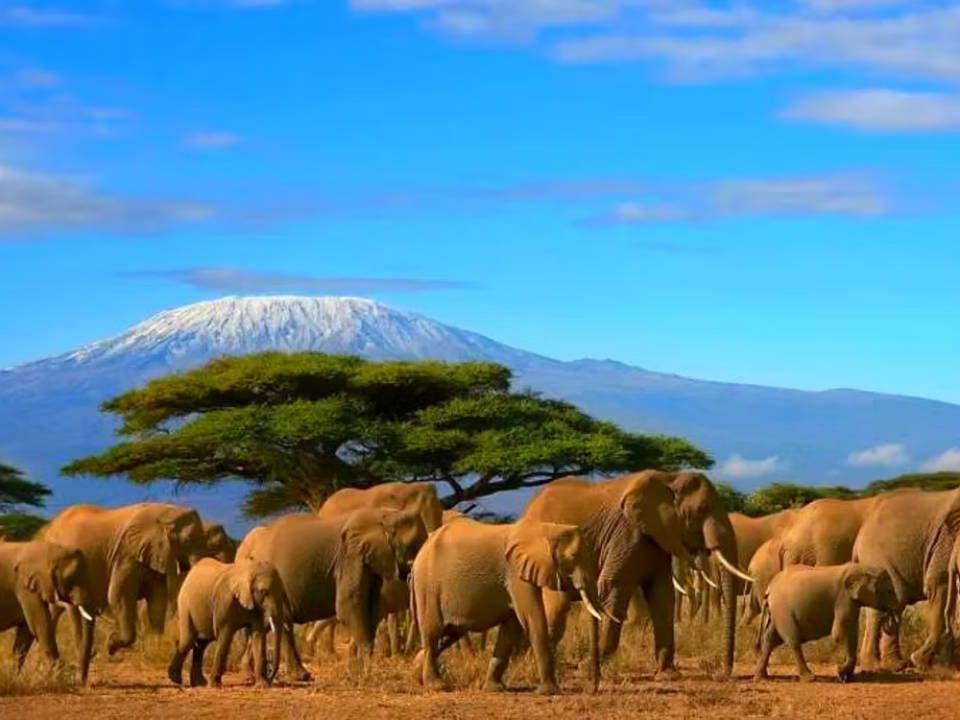
The Great Migration Experience is centered on wildebeest, but the broader safari offers much more. The Serengeti and Maasai Mara ecosystems support some of Africa’s most iconic wildlife, including lions, leopards, cheetahs, elephants, buffalo, giraffes, zebras, hyenas, hippos, crocodiles, antelopes, and numerous bird species.
For wildlife photographers, the combination of large herds, dramatic landscapes, predator-prey interactions, and changing light makes a Great Migration photography safari particularly appealing. However, responsible wildlife viewing should always take priority over getting a photograph.
Great Migration Safari for Photographers
A Great Migration photography safari provides opportunities to capture wildlife behavior, landscapes, herd movements, predator encounters, and African sunsets. Photographers should bring appropriate camera equipment, spare batteries, memory cards, and protection against dust and rain.
A private safari vehicle can provide additional flexibility for photography, although all wildlife-viewing activities should follow park regulations and responsible tourism guidelines. Experienced guides can also help travelers understand animal behavior and identify promising photographic opportunities without disturbing wildlife.
Luxury Great Migration Safari
Travelers seeking a luxury Great Migration safari can choose from a variety of high-end safari lodges and tented camps in Kenya and Tanzania. Luxury safari experiences can combine comfortable accommodation, private vehicles, professional guides, gourmet dining, and personalized itineraries.
For a luxury Kenya Tanzania safari, travelers can select properties based on location, season, wildlife objectives, and preferred travel style. Staying close to likely migration areas can reduce travel time and maximize opportunities for wildlife viewing.
Family Great Migration Safari
A family safari in Kenya and Tanzania can introduce children and adults to wildlife, conservation, geography, and African culture. Families should select an itinerary appropriate for their children’s ages and consider private transportation and flexible schedules.
A family-friendly Great Migration Experience can include shorter game drives, educational activities, cultural experiences, and comfortable accommodation. Safari planning should also account for travel distances between parks and the physical needs of younger travelers.
Great Migration Honeymoon Safari
A Great Migration honeymoon safari combines wildlife adventure with romantic accommodation and unforgettable landscapes. Couples can experience game drives across the Serengeti and Maasai Mara, enjoy scenic sundowners, relax at safari lodges, and potentially combine their safari with a beach holiday.
A Kenya Tanzania honeymoon safari can also include the Ngorongoro Crater, Zanzibar, or Kenya’s Indian Ocean coast. The itinerary can be customized according to the couple’s travel dates, accommodation preferences, and desired safari experiences.
Responsible Great Migration Tourism
Responsible tourism is an important part of the Great Migration Experience. The Serengeti and Maasai Mara ecosystems are valuable wildlife habitats that require careful management. Travelers should respect park rules, maintain appropriate distances from animals, avoid littering, and follow the instructions of professional guides.
Choosing responsible safari operators and accommodations can also support local communities and conservation initiatives. A sustainable Kenya Tanzania safari should aim to provide meaningful visitor experiences while minimizing environmental impacts and supporting the people who live and work around wildlife areas.
How to Plan Your Great Migration Safari 2027
Planning a Great Migration safari 2027 should begin with deciding what you want to see and when you want to travel. Your itinerary can then be designed around the seasonal migration pattern, park conditions, accommodation availability, budget, and preferred safari style.
Travelers should also consider the number of days available. A short safari can focus on one or two major destinations, while a longer Kenya Tanzania safari itinerary can include the Serengeti, Maasai Mara, Ngorongoro Crater, Tarangire National Park, Amboseli National Park, or other attractions.
Book Your Great Migration Experience with Wild Trek Africa
The Great Migration Experience is an extraordinary way to discover the wildlife, landscapes, and natural rhythms of East Africa. A carefully planned Kenya and Tanzania safari 2027 can take you from the endless plains of the Serengeti to the wildlife-rich Maasai Mara while also incorporating the Ngorongoro Crater and other remarkable destinations.
Wild Trek Africa can help organize customized Great Migration safaris, Kenya Tanzania safari packages, luxury African safaris, family safari holidays, honeymoon safaris, wildlife photography trips, and private East Africa tours. Our itineraries can be designed around your preferred travel dates, accommodation style, budget, and wildlife interests.
Start planning your Great Migration Experience for 2027.
📧 Booking Email: info@wildtrekafrica
📞 Telephone: +250 793 526 264